

Southpaw vs. Orthodox Boxing Styles and Key Differences
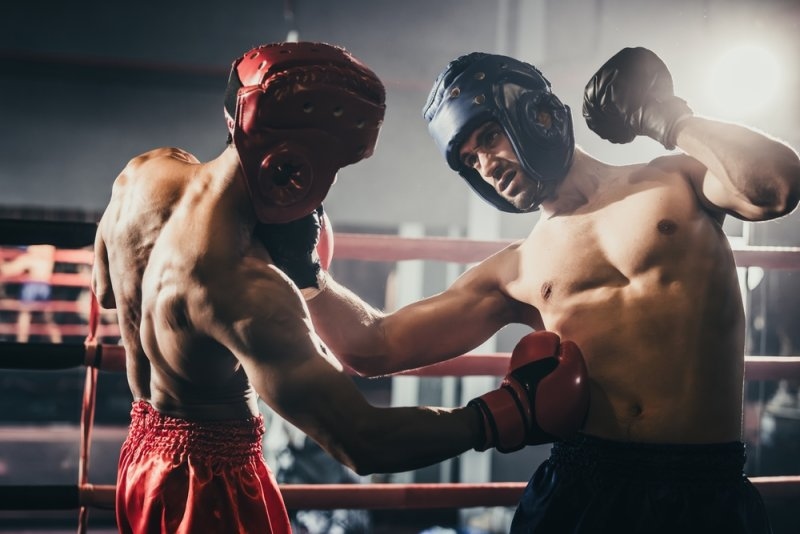
Blog / Jun 05,2026
Boxing looks simple from the outside. Two fighters, gloves on, punches thrown. But stance changes almost everything. Distance feels different, timing shifts, angles appear or disappear fast. One small switch in foot placement can change a whole fight.
Some fighters feel natural standing left-foot forward. Others never move away from the classic setup. Neither style guarantees wins, still both shape how someone attacks, blocks, and even survives rough rounds. The debate around Southpaw vs. Orthodox keeps showing up because it genuinely matters inside the ring. In this blog, we’ll break down boxing stances, the difference between fighting styles, strengths, weak spots, plus which stance may suit different fighters.
Understanding Southpaw Vs. Orthodox Boxing Styles
The discussion around Southpaw vs. Orthodox starts with one thing — the lead foot position.
In an orthodox stance, a boxer keeps the left foot forward with the right hand carrying more power from the back. This setup feels natural for most right-handed fighters. Jabs come from the left hand, and power punches usually land from the right.
A southpaw boxer does almost the opposite. The right foot stays in front while the stronger left hand sits at the back, ready for hard counters or straight punches.
How Foot Position Changes Everything
Foot placement seems boring until punches start landing.
Orthodox fighters usually circle left to stay balanced and line up power shots. Southpaws usually move in the opposite direction, which makes things a bit weird — lead feet almost clash like they’re fighting for space.
Outside foot position matters too. Fighters try to place their lead foot outside their opponent’s lead foot because it opens cleaner punching lanes, especially for straight punches. Miss that angle, and punches start feeling blocked or awkward.
Why Most Boxers Use an Orthodox Stance
Most people are right-handed, so naturally, many coaches begin with orthodox training.
The strong hand sits in back, loaded up for big punches, while the lead hand keeps the other guy at bay with jabs. It’s a pretty clear setup, kind of predictable, and honestly, beginners have an easier time picking it up.
Must Read: Ringside Boxing Gloves: Features, Benefits, and Buying Tips
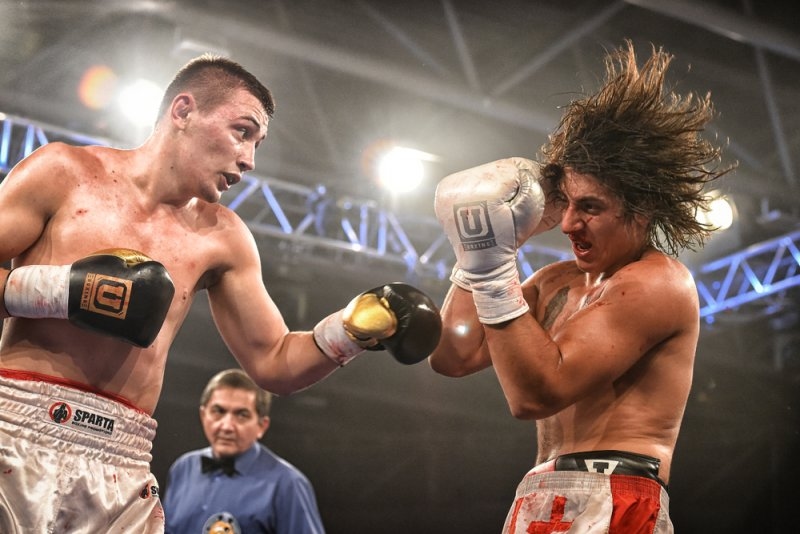
Key Difference Between Southpaw and Orthodox Fighting Styles
So, the main difference isn’t just which hand is dominant. Switching to southpaw changes everything: the rhythm, vision, angles, and even defense.
When a southpaw shows up, orthodox fighters get thrown off. Most folks train against other orthodox boxers, so now the punches come from funky angles, and suddenly, hesitation creeps in.
Orthodox fighters, though, usually have stronger preparation against standard combinations because most gyms revolve around this stance.
Offensive Angles Feel Completely Different
Orthodox fighters throw straight rights through familiar openings. Southpaws fire strong left crosses from unexpected directions.
Because fighters mirror one another, lead hands sometimes clash. Defensive habits stop working the same way. Suddenly, slipping outside becomes harder. Timing changes, too.
That awkwardness often favors experienced southpaws.
Defense Works in Different Ways
Defense shifts depending on stance.
Southpaw fighters sometimes enjoy easier outside movement against orthodox opponents. Their rear power hand lines up naturally for counters. A missed jab can instantly turn into punishment.
Orthodox fighters lean on old habits — blocking, parrying, shoulder rolls. It’s what they know, and they’ve practiced against familiar stances forever.
Ring Control Feels Uneven Sometimes
A sharp orthodox fighter usually holds the center, pops out crisp jabs, and moves solidly. Southpaws? They mess with you. They change angles out of nowhere and aim to pull you into uncomfortable situations.
This creates weird pacing in fights. One boxer pushes forward while the other circles unexpectedly.
Top Pick: Boxing Cardio Training: Run Strong, Fight Strong
Breaking Down the Strengths of Orthodox Fighters
Orthodox fighters dominate boxing history for a reason. The stance works well and builds strong fundamentals.
Better Access to Traditional Training
Most boxing drills are built around orthodox movement.
Coaches demonstrate combinations for orthodox fighters more naturally. Sparring partners often mirror the same setup. That repetition helps fighters sharpen instincts faster.
Practice becomes easier when everything around you matches your stance.
Jabs Often Feel Cleaner
Orthodox boxers usually develop very reliable jabs because the stance encourages front-hand control.
A sharp jab disrupts rhythm, creates distance, opens combinations, and helps defense. Fighters who master the jab become frustrating opponents.
Even powerful punchers depend on it.
Familiarity Helps Under Pressure
Pressure moments matter.
When exchanges become wild, orthodox fighters often rely on patterns drilled for years. Muscle memory kicks in. Movements feel natural because the environment is familiar.
That comfort matters more than people think.
Southpaw vs Orthodox: Which is Better for Fighters
The question of Southpaw vs orthodox, which is better, has no perfect answer.
It depends on the fighter.
Natural balance matters more than trends. A right-handed person can still become a southpaw boxer if movement feels smoother or timing improves. Some coaches even experiment early to see which side produces stronger reactions.
But forcing a stance rarely works.
A few things really count when you’re picking a boxing stance.
- First, you have to move naturally. Balance is everything. You want to feel steady whether you’re throwing punches, slipping shots, or just moving around. If your stance feels awkward, everything slows down — even the hardest hitter falls apart if they’re off-balance when the pressure’s on.
- The gym you train at matters, too. Most places teach orthodox, so those fighters get more sparring and better guidance. If you’re a southpaw and nobody knows how to train you, it can get frustrating fast.
- Style plays a role as well. Fighters who crave pressure and surprise attacks sometimes go southpaw to find weird angles. Meanwhile, technical boxers often prefer the rhythm of orthodox — jabbing, setting up clean combos, working behind a steady pace.
There’s no one answer that fits everyone.
Don't Miss: Boxing Footwork Drills that Improve Speed and Ring Movement
Conclusion
The debate around Southpaw vs. Orthodox boxing styles probably never ends. Some swear by the awkward angles of southpaw fighters, others trust the balance and structure of orthodox movement. Truth sits somewhere in between.
The best stance is usually the one that feels natural, stable, and repeatable under pressure. Boxing rewards comfort mixed with discipline. A weird stance means nothing if movement feels forced.
FAQs
Can boxers switch stances during a fight?
Some do. It’s called switch-hitting. When done right, it throws opponents off and opens up new shots. But if your timing or balance isn’t sharp, changing stances mid-fight can backfire in a hurry.
Why do southpaws have an edge?
Mostly, it’s just because most boxers are orthodox. Training partners, coaches, even habits — they’re all geared toward orthodox fighters. So when a southpaw shows up, punches come from unfamiliar angles, and routines break down.
Does being right- or left-handed settle your stance?
Not always. A lot of right-handers fight orthodox, but sometimes moving southpaw just feels more natural. Coaches usually watch you move first and decide what fits you best, regardless of which hand you write with.
Is one stance better for defense?
Honestly, defense is about skill, not stance. Orthodox fighters look classic, while southpaws can seem awkward or even sneaky. But, honestly, footwork, timing, and awareness always win out, no matter which side you lead with.