

Best Boxing Gloves for Training and Hand Protection

Blog / Jun 11,2026
Boxing looks easy from the outside—just hit, sweat, and repeat, right? But the second you put on the wrong gloves, things fall apart fast. Sore wrists, scraped knuckles, numb hands... that stuff happens way more than you’d think. Gloves aren’t just for show, either. Your hands are full of tiny bones and delicate joints, and they need real support.
Some people go straight for the big brand. Others grab the cheapest pair and call it a day. Usually, that leads to a lot of regret. Different styles of training need different gloves. Hitting the heavy bag doesn’t feel anything like sparring. Beginners need gloves that give a little more cushion. And size actually matters more than you might expect. Here, we’ll walk you through top glove choices, how to size them, types for different training, and a few tips on keeping your hands safe.
Best Boxing Gloves for Training and Hand Protection
Finding the best boxing gloves depends on what training looks like for you. Heavy bag sessions need different padding compared to sparring rounds. Fit matters too — loose gloves can shift around, tight ones cut circulation.
A solid pair of gloves does a few things well:
- Keeps your wrists secure and supported
- Protects your knuckles with plenty of padding
- Fits comfortably—not so tight you can’t make a fist, not so loose you lose control
- Holds up to hard use, thanks to strong stitching
- Let some air in, so your hands don’t drown in sweat
Cheap gloves usually flatten fast. Padding goes thin, wrists feel flimsy, and the problems add up until—surprise—something hurts.
Why Padding Matters More Than You Think
People focus too much on appearance. Matte black gloves, flashy logos — none of that saves your knuckles. Padding spreads impact. On heavy bags, especially, repeated force adds up fast. Even strong hands take damage when protection is weak.
Wrist Support Can Save Your Training
Bad wrist alignment causes pain that sticks around. Sometimes weeks. Good gloves stabilize the wrist during punches, especially hooks or awkward angles. Velcro straps work well for convenience, while lace-up gloves usually feel tighter and more secure.
Must Read: How To Stay Calm In Boxing Fights Under Intense Pressure
Choosing Boxing Gloves for Bag Work and Sparring
Knowing how to choose boxing gloves for bag work and sparring makes training easier. One glove does not always do everything well. Heavy bags are rough on gloves. Sparring needs softer contact for safety.
Gloves for Bag Work Need Dense Protection
Bag gloves are usually firmer. They protect hands from repeated impact against hard surfaces. Since the bag absorbs force differently from the human body, the padding tends to feel denser.
You want gloves that protect wrists first, knuckles second.
Sparring Gloves Should Prioritize Safety
Sparring gloves are softer. More cushioning. Less direct force. The goal is not maximum power. It is controlled practice without hurting your partner. Heavier gloves are common during sparring because extra padding softens punches.
Some people use one pair for everything. It works, sort of. But separate gloves usually last longer and feel better.
Understanding Bag Gloves vs Sparring Gloves Differences
The bag gloves vs sparring gloves differences are important if training becomes regular. Bag gloves focus more on durability. Sparring gloves focus more on safety.
Bag Gloves Are Built For Impact
Bag gloves often feel compact. Less bulky. Designed for repeated strikes against heavy resistance. Because of this, they wear out more quickly if used for everything. Constant friction from heavy bags breaks materials down.
Yet for technical training, they feel responsive.
Sparring Gloves Feel Bigger For A Reason
Sparring gloves look puffier because the padding is thicker. The goal is to reduce injury risk to both people training. They may feel heavier or slower at first. That adjustment is normal.
Using bag gloves during sparring is usually discouraged because harder padding can increase injury chances. Not worth the risk.
Finding the Right Boxing Glove Size By Weight
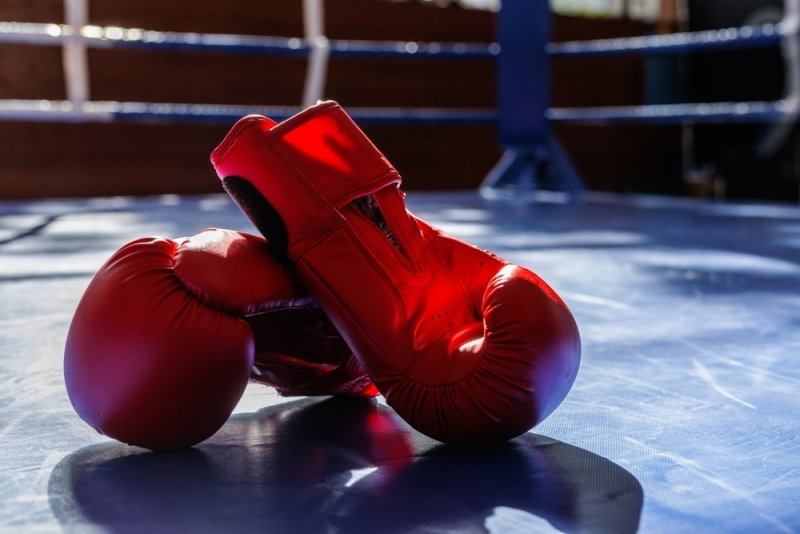
A good boxing glove size guide by weight helps avoid common mistakes. Most people buy gloves that are too small or oddly oversized.
Here’s a quick breakdown on glove sizes:
- 8–10 oz: These are for competition or fast drills. Light padding, quick hands, but they aren’t beginner-friendly for regular training.
- 12 oz: Comfortable and not too bulky. Works for lighter folks or casual fitness boxing.
- 14 oz: A go-to option for many adults. Good for training and sometimes even sparring.
- 16 oz: The sparring standard. Extra padding for safety and better shock absorption.
Weight matters, but it’s not the whole story. Training purpose and your own build make a difference. Some heavier boxers use lighter gloves when working on speed. There’s no one-size-fits-all rule.
Best Boxing Gloves for Beginner Training Sessions
Choosing the best boxing gloves for beginner training often comes down to comfort and forgiveness. Beginners usually hit harder than their technique allows. Hands pay the price.
Beginners sometimes buy gloves loaded with features they never use.
Instead, focus on these features:
- A wrist closure that actually stays put
- A liner that breathes—nothing smells worse than stale sweat in locked gloves
- Padding that cushions without turning stiff as a board
- A tough outer layer that doesn’t rip on impact
Basically, simple is good. Flashy colors and wild designs don’t mean the gloves actually protect you.
Top Pick: Improve Your Boxing Skills with These Punching Mitts Tips
Conclusion
Choosing gloves shouldn’t be a headache, but rushing your pick is a mistake people make all the time. Good gloves help you train confidently, keep your hands safe, and actually stick around for the long haul. Bad gloves? They end up abandoned after a couple of painful sessions.
The best advice is simple—choose gloves based on what you’re actually doing. Sparring? You want max padding. Beating the heavy bag? You need support and tools that last.
FAQs
What Oz Boxing Gloves Should I Use?
It comes down to your training style and weight. For bag work, most people pick 12 or 14-oz gloves. Sparring usually calls for 16 oz, thanks to the extra padding. Double-check your gym’s rules before buying.
How long do boxing gloves last?
Gloves can last anywhere from six months to a few years. It depends on how often you train, how much you sweat, how you store them, and the glove’s quality. If you hit the heavy bag every day, expect to replace gloves sooner.
Should boxing gloves feel tight at first?
A little tight at first is normal. The padding loosens up as you break them in. They should be snug without causing pain—pins and needles or numb fingers mean you need a different size.
Can I wash boxing gloves in the washing machine?
Don’t do it. Machines ruin the padding and stitching. Instead, wipe the gloves down after training, let them air dry, and stick in some deodorizing inserts if they start to smell. Most glove damage comes from sweat that sits inside.