

How to Choose Between Boxing vs Muay Thai for Striking?
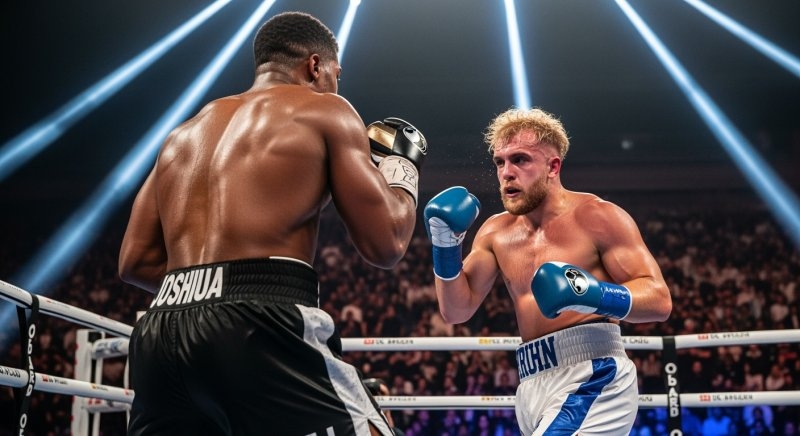
Blog / Sep 01,2026
Quick Takeaways
- Boxing focuses purely on footwork, head movement, and devastating upper body strikes.
- Muay Thai utilizes punches, kicks, knees, and elbows as the art of eight limbs.
- Both combat sports deliver exceptional cardio conditioning, burning up to 800 calories per hour.
- Boxing training develops faster hand speed while Muay Thai builds unmatched total body power.
- The ideal discipline depends entirely on your personal fitness goals, agility, and combat preferences.
Stepping into a martial arts gym for the very first time can feel both thrilling and intimidating. You stand at the threshold, watching athletes move with precision, power, and rhythm. If you are torn between two iconic striking disciplines, understanding boxing vs Muay Thai is the essential first step toward achieving your personal combat goals. Choosing the wrong discipline can leave you feeling frustrated, while picking the right one transforms your health, confidence, and self-defense skills.
According to research published by the International Journal of Performance Analysis in Sport, high intensity striking martial arts can burn between 600 and 800 calories per hour while significantly improving cardiovascular endurance. Both combat sports offer powerful physical transformations, but they target different movement patterns and fighting philosophies. In this comprehensive guide, we will analyze the technical differences, compare boxing training with Muay Thai training, evaluate self-defense capabilities, and help you decide which path aligns best with your fitness journey.
What is Boxing?
Boxing is a traditional combat sport focused exclusively on upper body striking, defensive movement, and precise footwork. Practitioners use padded gloves to land punches, including jabs, crosses, hooks, and uppercuts.
On the other hand, evading incoming strikes through head movement and rapid slipping techniques is crucial. It builds exceptional hand speed, cardiovascular endurance, reaction time, and core agility within a strictly regulated competitive rule set.
What is Muay Thai?
Muay Thai, known as the Art of Eight Limbs, is an ancient Thai martial art that utilizes punches, kicks, knees, and elbows for comprehensive full-body striking. Practitioners combine long-range kick attacks with close-range clinching, sweeps, and knee strikes to control opponents.
It emphasizes maximum power generation, bone conditioning, and full-body endurance, making it a cornerstone striking discipline for modern martial artists.
Must Try: Boxing For Beginners Guide Made Easy For First-Time Fighters
What are the Core Differences in Boxing vs. Muay Thai Techniques?
Understanding the mechanical differences between these striking martial arts reveals how each discipline approaches offensive and defensive strategy.
| Striking Discipline | Focus |
| Boxing | Fast Hands, Head Movement |
| Muay Thai | 8 Limbs: Punches, Kicks, Knees, Elbows, and Clinching |
Boxing Techniques and Stance Mechanics
Boxing techniques rely exclusively on four fundamental punches: the jab, cross, hook, and uppercut. Boxers utilize a side-facing stance that minimizes the body target area. This specialized posture maximizes reach, head movement, evasive slip mechanics, and rapid footwork across the canvas.
Muay Thai Techniques and the Art of Eight Limbs
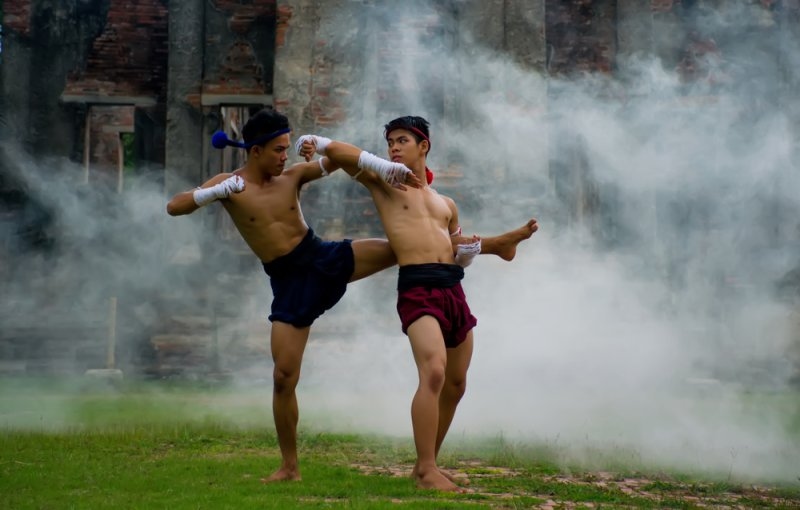
Muay Thai techniques utilize punches, kicks, knees, and elbows. Practitioners adopt a square stance to easily check incoming leg kicks and launch rapid counterattacks. The inclusion of the clinch allows fighters to control their opponent at close range using devastating knee strikes.
Boxing vs. Muay Thai for Fitness and Weight Loss
Both striking disciplines deliver incredible workouts, but they challenge your body in completely distinct ways.
| Training Type | Fitness and Cardio Focus |
| Boxing Training | High-Volume Hand Speed, Core Stability, and Agility |
| Muay Thai Training | Full-Body Conditioning, Leg Power, and Core Endurance |
Boxing for Fitness and Conditioning
Boxing for fitness relies on high-volume heavy bag rounds, jump rope conditioning, and rapid mitt work. This style of training sculpts shoulders, strengthens core muscles, and improves upper body speed without causing heavy lower body fatigue.
Muay Thai for Fitness and Fat Loss
Muay Thai for weight loss engages every major muscle group through continuous kicking and kneeing drills. Repeatedly driving your shin into a heavy bag builds incredible core strength, burns visceral fat quickly, and develops lower body power.
Boxing vs. Muay Thai for Self-Defense
When evaluating real-world self-defense, both systems offer unique advantages that suit different tactical scenarios.
| Feature Comparison | Boxing | Muay Thai |
| Primary Weapons | Two hands | Hands, elbows, knees, shins |
| Defensive Style | Head movement, slipping, weaving | Checking kicks, catch and counter |
| Close Range Fighting | Inside hooks, uppercuts, weaves | Clinching, sweeps, elbow strikes |
| Distance Control | Rapid footwork, jabs | Teep kicks, roundhouse kicks |
Boxing vs. Muay Thai for Beginners
Boxing features a shorter learning curve because beginners only master punching combinations and basic footwork. Muay Thai requires more flexibility and balance, making initial sessions slightly more challenging for newcomers.
Essential Reads: Key Difference Between Boxing and Kickboxing Explained
How to Choose Between Boxing and Muay Thai for Your Goals?
Selecting your discipline comes down to your personal preferences, physical conditioning, and long-term training aspirations.
Should I Learn Boxing or Muay Thai for MMA?
If your objective is to transition into mixed martial arts, Muay Thai offers a more versatile base due to kicks and clinching skills. However, elite boxing footwork and punch defense remain crucial tools for modern MMA striking control.
Boxing vs Muay Thai: Pros and Cons
Boxing offers rapid hand speed, evasive defense, and superior distance management. However, it leaves you vulnerable to kicks and takedowns.
Muay Thai provides full-body striking and clinch dominance but leaves your head open to fast punch combinations.
Conclusion
Choosing between these two legendary striking martial arts ultimately depends on what you want to achieve. Boxing focuses on pure punching efficiency, explosive head movement, and rapid footwork that refines upper body agility. Muay Thai offers a comprehensive full-body striking system that utilizes eight limbs for unmatched power, core endurance, and devastating close-range control. Both disciplines provide high-intensity workouts that accelerate weight loss, relieve daily stress, and build lasting functional strength.
Evaluating your physical flexibility, schedule predictability, and tactical interests will point you toward your ideal combat sport. Dedicated practice in either discipline will push your limits, build mental resilience, and unlock peak conditioning. Commit to a training schedule, stay consistent, and watch your physical capabilities transform with every single session.
Ready to take your athletic journey to the next level? Equipping yourself with top-tier gear, expert guidance, and a supportive training community ensures you hit your performance targets safely and effectively. Start your transformation today and step into the ring with total confidence.
FAQs
How Does Glove Weight Differ Between Boxing and Muay Thai Training?
Boxing gloves feature padding distributed evenly over the knuckles and top of the hand to protect wrists during heavy punching. Muay Thai gloves distribute weight differently, featuring more flexible padding around the palm and wrist areas. This specific design allows fighters to grab, open their hands, and catch incoming kicks during intense clinch work.
Can Practicing Muay Thai Improve Your Boxing Punching Power?
Yes, practicing Muay Thai can significantly enhance your raw punching power. The continuous hip rotation required for roundhouse kicks and knee strikes strengthens your core, hips, and rotational muscles. This increased core stability translates directly into generating greater kinetic force when delivering heavy boxing hooks and power crosses.
Why Do Stances Vary So Dramatically Between These Striking Disciplines?
Boxing utilizes a narrow, side-facing stance to present a smaller target while enabling quick forward and backward movement. Muay Thai requires a wider, square stance with hips facing the opponent directly. This forward-facing posture allows fighters to check low kicks quickly, throw power kicks, and defend against incoming clinch attempts.
What are the Typical Injury Risks Associated With Each Combat Sport?
Boxing carries higher risks of wrist strains, hand fractures, and repetitive facial impacts due to close-range punch exchanges. Muay Thai involves higher rates of lower extremity injuries, including shin bruises, ankle sprains, and knee strain from continuous kicking drills and clinch grappling. Proper protective gear minimizes these risks significantly.
How Do Shin Guards Impact Muay Thai Sparring Compared to Boxing?
Muay Thai sparring requires thick padded shin guards to shield both the attacker's shins and the defender's ribs from severe impact. Boxing sparring only requires mouthguards, headgear, and heavy gloves since kicking is illegal. Using proper shin guards allows Muay Thai practitioners to practice full-contact striking without risking bone fractures.