

Who is Roberto Durán? Panama’s Hands of Stone Boxing Legend
Blog / Nov 13,2026
Key Takeaways
- Roberto Durán went 103-16 over 119 fights, with 70 of those wins by knockout.
- He held five world belts across four weight classes.
- A Panamanian sportswriter gave him the Hands of Stone nickname in 1971.
- Beating Sugar Ray Leonard in 1980, then quitting against him months later, is the story everyone remembers.
- He kept fighting until he was 50.
Ask an old boxing fan about Roberto Durán, and you’ll probably get a grin, then a story. Maybe it’s the street kid from Panama City who turned pro at 16. Maybe it’s the night he walked away from Sugar Ray Leonard. Either way, nobody forgets him. So let’s go through the numbers, the belts and the fights.
Who is Roberto Durán?
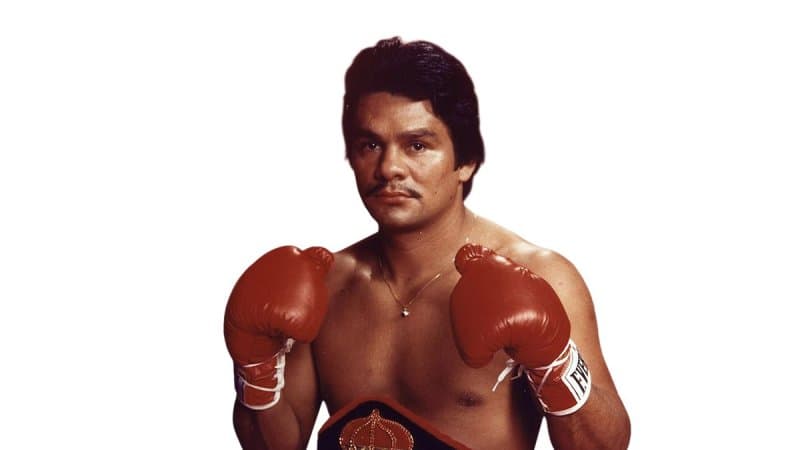
Roberto Durán was born on June 16, 1951, in Guararé, Panama, but he grew up in El Chorrillo, a rough part of Panama City. By age eight, he was sparring with grown men. He turned pro in February 1968 at 16 and didn’t lose until his 32nd fight. His dad was a U.S. Army soldier posted in Panama.
What is Roberto Durán’s Professional Boxing Record?
Over 33 years, Durán boxed 119 times. He won 103 and lost 16. That Roberto Durán boxing record gets more impressive once you see the weight range, because he began at lightweight and was still going at super middleweight. Yes, he lost to Marvin Hagler and Thomas Hearns along the way. Those were bigger men.
Roberto Durán Boxing Stats
Raw numbers can feel dry, but Durán’s aren’t, not even close. Here’s how his wins and losses split between knockouts and decisions. Pay attention to the knockout column, because it explains why opponents dreaded getting stuck with him in close quarters.
Roberto Durán Career Wins, Losses, and Knockouts
| Result | By Knockout | By Decision | Total |
| Wins | 70 | 33 | 103 |
| Losses | 4 | 12 | 16 |
He won 70 times by knockout and 33 times on the scorecards. Only four of his losses came by knockout, while twelve went to the judges. So roughly two of every three wins ended early, and when he lost, he usually heard the final bell.
How Many Knockouts Did Roberto Durán Have?
Seventy. That’s how many opponents Durán finished, which puts him among the few fighters ever to reach 50 or more knockout wins. The Ring ranked him 28th on its list of the 100 greatest punchers of all time, too. And he did it while starting out at 135 pounds.
How Many World Titles Did Roberto Durán Win?
Four weight classes. That’s the headline. Durán began at lightweight, then won at welterweight, light middleweight and middleweight, collecting five major belts. If multi-division champions fascinate you, our piece on Henry Armstrong’s major boxing record and world title reigns is worth a read.
Roberto Durán World Titles
Here’s a quick rundown of the belts and who he took them from.
- WBA lightweight, June 1972, from Ken Buchanan
- WBC lightweight, January 1978, from Esteban De Jesús
- WBC welterweight, June 1980, from Sugar Ray Leonard
- WBA super welterweight, June 1983, from Davey Moore
- WBC middleweight, February 1989, from Iran Barkley
Why Was Roberto Durán Called Hands of Stone?
The name arrived in 1971. After Durán beat Benny Huertas on September 13, Panamanian writer Alfonso Castillo dubbed him Manos de Piedra, or Hands of Stone. It stuck for obvious reasons, since he hit hard and defended well. Funny detail, too. His Panama City district was known as La Casa de Piedra.
Roberto Durán Greatest Fights
Choosing his best fights is like choosing a favorite song. Durán gave fans plenty of options. The ones below are the nights people still bring up, starting with his famous rivalry. If you want more classics from other eras, our list of the greatest boxing matches that shaped the sport has you covered.
Roberto Durán vs Sugar Ray Leonard
Montreal, June 20, 1980. Leonard was unbeaten and the bigger earner, with Durán getting about one-fifth of his money. Durán fought like a man with a grudge. After 15 close rounds, he won a unanimous decision and the WBC welterweight title. Fans still call it the Brawl in Montreal.
Why Did Roberto Durán Say No Más Against Sugar Ray Leonard?
Five months later, in New Orleans, Leonard danced and taunted, and Durán couldn’t catch him. Late in round eight, he simply stopped fighting. The referee and broadcaster Howard Cosell said he uttered No Más, meaning no more. Durán has always disputed that. In 2016 he said it was No sigo, or I won’t go on.
Buchanan, Moore and Barkley
Three more nights belong on the list. In 1972 he beat Ken Buchanan at Madison Square Garden for his first world title. In 1983 he stopped Davey Moore on his 32nd birthday. And in 1989, at 37, he beat Iran Barkley in a bout The Ring named Fight of the Year.
Roberto Durán Career Highlights
Beyond the big fights, the honors tell the story. The Sporting News called him Fighter of the Decade for the 1970s. He defended his lightweight crown twelve times, eleven by knockout. Only Jack Johnson had fought across five decades before him. He retired for good in 2002 after a car crash in Argentina, and the International Boxing Hall of Fame inducted him in 2007.
Conclusion
Durán wasn’t perfect, and that’s part of the charm. He quit once, lost a few times badly, and kept coming back anyway. But he also won titles in four divisions and beat Leonard when it mattered. Watch Montreal first. Then watch everything else. Roberto Durán earns the attention.
Frequently Asked Questions
When did Roberto Durán retire from boxing?
He retired for good in January 2002, at age 50, after a car crash in Argentina left him needing life-saving surgery. He had also announced retirements in 1980, 1984 and 1998, then returned each time.
Who trained Roberto Durán during his best years?
Ray Arcel did. He worked Durán’s corner from May 1971 until the second Sugar Ray Leonard fight in November 1980, which covers nearly all of the lightweight reign and the famous Montreal win.
Did Roberto Durán ever beat Sugar Ray Leonard again?
No. Leonard won the November 1980 rematch by technical knockout and took their third fight in December 1989 by unanimous decision. Durán’s only victory over Leonard remains that wild night in Montreal.
Who first knocked out Roberto Durán?
Thomas Hearns did, in round two in June 1984. It was the first time Durán had been knocked out, because the No Más fight went into the record books as a technical knockout instead.
Is there a movie about Roberto Durán?
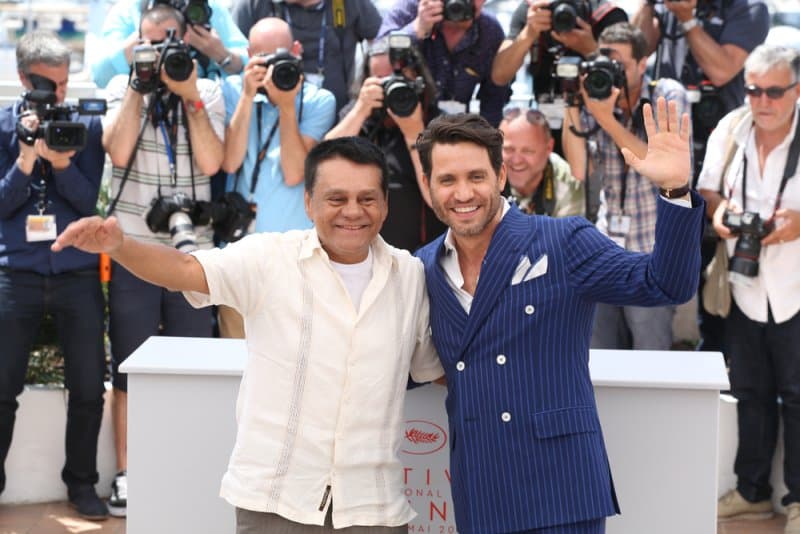
Yes. Hands of Stone arrived on August 26, 2016. Édgar Ramírez plays Durán, Robert De Niro plays trainer Ray Arcel, and Usher plays Sugar Ray Leonard in the biopic about the champion’s life.