

Who Was Harry Greb? His Boxing Record, Career, and Legacy
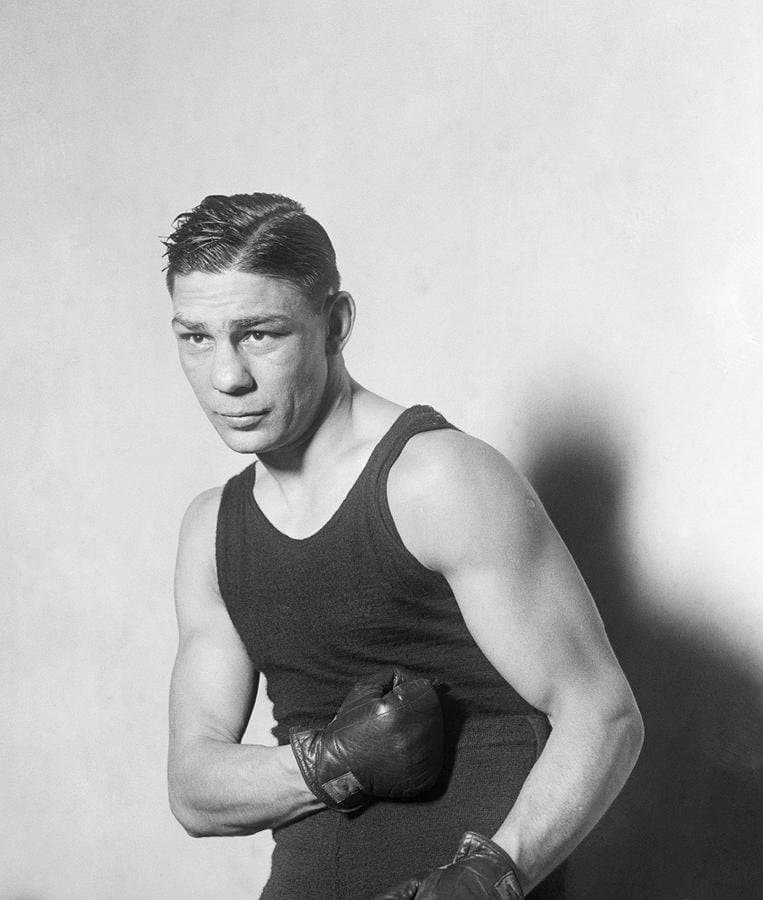
Blog / Nov 20,2026
Key Takeaways
- Harry Greb packed 299 fights into 13 years, between 1913 and 1926.
- He won the world middleweight title in 1923 and handed Gene Tunney the only pro loss of his career.
- The Pittsburgh Windmill tag came from his endless, swarming punches.
- He kept fighting while blind in one eye, and died at just 32 after surgery.
- BoxRec and IBRO still rank him among the best pound-for-pound fighters ever.
Ask a boxing nerd to name the toughest fighter of the 1920s, and you’ll probably hear the same name. Harry Greb. He fought nearly every week, hit from every angle, and happily took on men much heavier than him. Was he really that good? A century on, people are still arguing about it. This guide covers Harry Greb’s life, his record, his fights and his fighting style, and then you can make up your own mind.
Who Was Harry Greb?
Harry Greb was born Edward Henry Greb on June 6, 1894, in Pittsburgh, Pennsylvania. He boxed professionally from 1913 to 1926, and in that time he picked up the American light heavyweight title and then the world middleweight crown. He picked up two nicknames along the way, the Pittsburgh Windmill and the Smoke City Wildcat. Plenty of historians say he belongs on any short list of the greatest ever, and honestly, it’s hard to argue.
Harry Greb Biography: Early Life in Pittsburgh
There’s nothing glamorous about the start of this Harry Greb biography. He grew up in a working-class Pittsburgh household. His father, Pius, had come over from Germany, and his mother, Annie, was of German descent. Greb turned pro in 1913 with manager James “Red” Mason and boxed mostly close to home. Within two years he was in with real names like Tommy Gibbons and George Chip. He married Mildred Catherine Reilly in 1919, and they had one child.
How Many Fights Did Harry Greb Have?
Greb fought 299 times in about 13 years. That’s a bout roughly every two weeks, and some years were absurd. He fought 37 times in 1917. In 1919 he went 45–0 over twelve months. Forty-nine of his wins came by knockout. Now, the Harry Greb boxing record depends on who’s counting, because newspaper decisions were common back then and don’t count as official results. So here are both versions side by side.
| Record Type | Wins | Losses | Draws | Other |
| Official | 108 | 8 | 3 | 179 newspaper decisions, 1 no contest |
| Counting newspaper decisions | 261 | 18 | 19 | 1 no contest |
Why Was Harry Greb Called the Pittsburgh Windmill?
The nickname is a pretty good clue. Greb’s arms simply never stopped. He threw from every angle, and he’d already be firing again before his opponent had reset. Type Harry Greb Pittsburgh Windmill into a search bar, and you’ll mostly get the same image: a blur of gloves and a pace nobody enjoyed facing. He had another tag too, the Smoke City Wildcat, which says plenty about how scrappy he was.
Harry Greb Fighting Style Explained
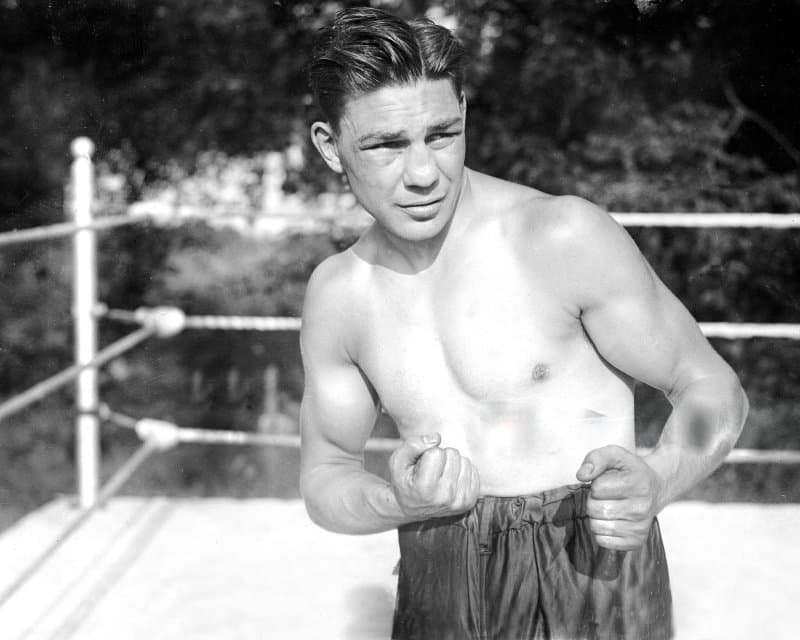
Greb didn’t lean on one big punch. He swarmed, and he made fights ugly. The Harry Greb fighting style explained simply: relentless speed, a very hard head, and zero interest in playing fair. It worked against men from welterweight all the way up to heavyweight, which is wild when you remember he stood only 5 feet 8 inches. His reach was 71 inches, which certainly didn’t hurt.
Speed That Wouldn’t Quit
Greb never stood still. He moved constantly and punched constantly, so opponents rarely got a clean look to set up anything big. Jabs, hooks, flurries from odd angles, all of it coming round after round. Bigger men burned out trying to catch him, and that’s usually when the fight swung his way. Historians call it swarming, and it’s the heart of why he won so much.
A Very Hard Head
He could absorb punishment, too. Greb was stopped by TKO just twice in his whole career. The first time was early on, against Joe Chip, who was a lot heavier. The second came when Greb broke the radius bone in his left arm against Kid Graves; he finished the round but couldn’t go on. Both losses came with context built in: a big weight gap in one, a broken arm in the other.
The Rough Stuff
Then there’s the rough stuff. Greb thumbed, spun opponents around, and dragged the heel and laces of his gloves across faces. In his title fight with Johnny Wilson, a referee broke up a clinch and asked what he was doing. Greb’s answer, more or less, was that he was gouging the man’s eye, and couldn’t the ref see that? Nasty, sure, and a very different era of refereeing.
Top Pick: Knockout vs Technical Knockout: What’s the Real Difference?
Harry Greb Greatest Fights
With almost 300 bouts to choose from, picking the Harry Greb greatest fights is a bit unfair. I’ll go with three that show different sides of the man: the destroyer, the schemer, and the champion. If you’re hungry for more boxing history afterward, there’s a whole roundup of fights that shaped the sport linked below. Okay, back to Greb, and we’ll start with the big one.
Greb vs Gene Tunney, May 1922
May 23, 1922, Madison Square Garden. Greb broke Tunney’s nose in the first round and opened a deep cut over his eye. Tunney, to his credit, refused to quit and fought all fifteen rounds with the blood pouring. Greb took a unanimous decision and the American light heavyweight title. It was the only loss of Tunney’s pro career, and The Ring called it Fight of the Year for 1922.
Greb vs Johnny Wilson, August 1923
My favorite story is the one before the Johnny Wilson fight. Wilson’s manager wouldn’t give Greb a title shot, so Greb faked it. He had speakeasy servers pour him water in colored tumblers and staged a drunken act around Pittsburgh and New York. The manager caught the show, decided Greb was a soft touch, and agreed to the fight. On August 31, 1923, Greb won a fifteen-round decision and the middleweight title.
Greb vs Mickey Walker, July 1925
Few people thought Greb could make 160 pounds for Mickey Walker, and Walker himself had his doubts. Greb came in at 157 and a half. Walker, the reigning welterweight champion, went to the body early while Greb fought off leg cramps. Greb slowly took over, though, and won a unanimous decision at the Polo Grounds in New York on July 2, 1925, to keep his title.
Must Read: The Greatest Boxing Matches: Fights That Shaped the Sport
Harry Greb Middleweight Champion: How Long Did He Rule?
As Harry Greb middleweight champion, he held the belt from August 31, 1923, to February 26, 1926. Those years were the high point of Harry Greb career. He defended against Johnny Wilson, Bryan Downey, Ted Moore and Mickey Walker. Then Tiger Flowers, a tricky defensive southpaw, won a disputed fifteen-round decision at Madison Square Garden. Flowers took the rematch six months later, and that turned out to be Greb’s final fight.
What Happened to Harry Greb?
Greb quit boxing after that second Flowers loss and reportedly talked about opening a gym in Pittsburgh. His body had other plans. Back in 1921, a thumb to the right eye in the Kid Norfolk fight likely tore his retina, and over time he lost the sight in it. He kept it quiet and fooled eye exams by memorizing the chart.
- September 1926: The damaged eye was removed and replaced with a glass one.
- Not long after: He checked into an Atlantic City clinic for surgery on his nose and airway.
- October 22, 1926: Complications set in, and he died of heart failure at 32.
Gene Tunney, the man he’d once beaten, was among the pallbearers. Greb was buried in his hometown.
Why is Harry Greb Considered One of the Greatest Boxers?
The résumé does most of the talking. Greb beat 16 different International Boxing Hall of Famers and picked up 33 wins over them, which is more than anyone else managed. He also fought Black opponents like Kid Norfolk and Tiger Flowers when plenty of white fighters wouldn’t. Add the sheer workload, from 37 fights in 1917 to a perfect 1919, and you can see why experts rate him so highly. Here’s a quick look at the rankings.
| Source | Ranking or Honor |
| BoxRec (May 2025) | No. 4 pound-for-pound |
| IBRO (2019) | No. 1 middleweight, No. 3 pound-for-pound |
| Sports Illustrated (2012) | No. 5 pound-for-pound |
| Sporting News | Fighter of the Decade, 1920s |
| International Boxing Hall of Fame | Inducted 1990 |
Conclusion
So, who was Harry Greb? Basically, a Pittsburgh fighter who never seemed to tire, beat Gene Tunney, ruled the middleweights, and kept going while his sight faded. The Harry Greb career lasted just 13 years, yet it held more fights than most boxers get in two lifetimes. Nobody is likely to match that workload. If you care about boxing history at all, he’s worth knowing. So which of the Harry Greb fights will you look up first?
Frequently Asked Questions
Who beat Harry Greb for the middleweight title?
Tiger Flowers took the title on February 26, 1926, winning a disputed fifteen-round split decision at Madison Square Garden. He beat Greb again that August, and that rematch became Greb’s final fight.
Did Harry Greb ever lose to Gene Tunney?
Yes, though Greb won first. He beat Tunney in 1922, then lost the 1923 rematch by split decision and another fifteen-rounder that December. Greb remains the only man who ever beat Tunney as a pro.
Was Harry Greb really blind in one eye?
Yes. A thumb to the right eye in 1921 likely tore his retina, and he eventually lost sight in it. He hid the problem from doctors by memorizing eye chart letters before physicals.
How many knockouts did Harry Greb score?
Greb scored 49 knockouts across his 299 recorded fights. Most of his wins, though, came by decision, because he preferred to wear opponents down with volume and pressure instead of hunting one big punch.
When did Harry Greb enter the International Boxing Hall of Fame?
Greb entered the International Boxing Hall of Fame in 1990 as a first-class inductee. The Ring magazine had already honored him in 1955, and the Pennsylvania Boxing Hall of Fame followed in 1958.