

Southpaw Boxer: How Can You Beat Orthodox Fighters Faster?

Blog / Nov 14,2026
Key Takeaways
- A southpaw boxer leads with the right hand and right foot, so every angle flips for orthodox rivals.
- Get your lead foot outside theirs. That one habit drives most of southpaw boxing.
- Deal with the jab first, and the left straight gets easy.
- Never punch and park. Pivot out.
- Spar orthodox fighters as often as you can.
Ever watched an orthodox fighter get lost against a lefty? It looks like magic, but it isn’t. Most of them spend their whole careers sparring right-handers, so a mirrored look throws off their timing. In this guide, we’ll walk you through stance, footwork, and the punches that actually work. Nothing fancy.
Left-Handed Boxing: Who is a Southpaw Boxer?
Picture a fighter whose right foot and right hand lead the way. The left hand waits at the back, loaded with power. That’s a southpaw boxer. Since fewer people box this way, most opponents don’t see it often, and left-handed boxing keeps them guessing.
How to Use the Southpaw Stance in Boxing?
Start with your right foot forward and your weight on the balls of your feet. Tuck the chin. Keep the elbows close. A simple checklist:
- Feet roughly shoulder-width apart
- Right hand up, ready to jab
- Left hand glued near the chin
- Knees soft, never locked
Southpaw vs Orthodox: Who Has the Edge?
Honestly, neither side wins on stance alone. What matters is how the lead feet and lead hands line up. Orthodox boxers mostly face other orthodox boxers, so a lefty’s angles feel odd to them. Here’s a quick look at what each fighter deals with.
| Factor | Southpaw | Orthodox |
| Lead foot | Right | Left |
| Power hand | Left straight | Right cross |
| Experience facing it | Often high | Often low |
Why the Southpaw Fighting Style Feels Awkward?
Two lead feet fight over one patch of canvas. Whoever steps outside usually owns the angle. Orthodox fighters rarely get that look in training, so their reactions run a beat late. That delay is exactly why the southpaw fighting style bugs so many people.
Best Boxing Techniques for Southpaw Fighters
Let’s start with the southpaw boxing techniques that carry the most weight. They rely on angles, not blazing speed. Practice each one on the heavy bag first, then take it to sparring. Keep things simple. The flashy combinations can wait for later.
Catch the Jab and Fire Back
Hold your lead hand high and slap the jab off its path. Then send your own straight punch right behind it. Orthodox fighters love starting with that jab, so taking it away hurts. Win the fight for their lead hand, and you’re already ahead.
Step Outside, Then Cross
Slide your lead foot outside theirs and throw the left straight. Sounds tiny, right? It opens a clean path to the chin while pulling you away from their right hand. Feet first, punches second. Plenty of beginners get that order backwards.
Parry and Lead Hook
Knock the jab aside with your lead hand and swing a curved hook over the top. Patience pays here. Let the jab come to you instead of chasing it. Once the hook lands, move off the line right away so nothing comes back.
Southpaw Boxing Tactics for Cleaner Angles
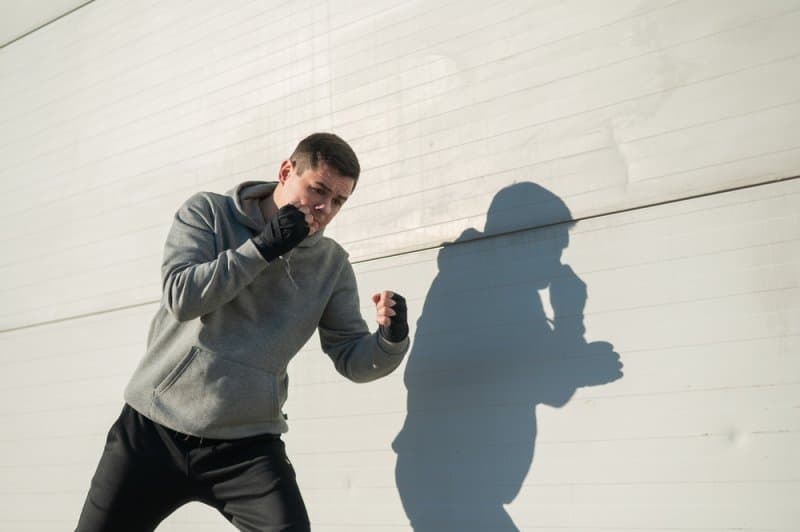
Techniques are your tools. Southpaw boxing tactics are the plan for using them. The plan is short: get off the line, land something, then move before the counter finds you. Repeat that sentence in your head before every round, and you’ll feel the difference.
Jab, Pivot, Rear Hook
Throw the jab, step outside the lead foot, and turn with it. Now the left hook can swing around to the side of the head. The pivot does the heavy lifting. It builds the angle, and the hook just walks through the door it opened.
Slip and Uppercut
Slide your head off the center line so the punch misses, then drive an uppercut up the middle. Slip to the right and use the lead hand. Slip to the left and use the rear hand. Drill both sides on the bag until neither feels strange.
Effective Southpaw Tactics Against Orthodox Boxers
Most rounds come down to three habits. Make them part of every drill:
- Control their lead hand.
- Move away from their rear hand.
- Change your angle after every punch.
Forget them and the usual mistakes show up. You give away control, drift into the rear hand, or stand still.
Advantages of Being a Southpaw Boxer
Being a lefty comes with real perks. Rivals are underprepared, your rear hand arrives from an odd line, and your lead foot fights for position in every exchange. Just look at Manny Pacquiao. He showed how nasty that mix gets at the highest level.
How to Become a Better Southpaw Boxer?
Spar with orthodox partners often, because nothing beats real reps. Film your rounds and watch your feet. Hit the bag with the techniques above, three focused rounds at a time. Short, steady work beats one giant session a month. Watching the greatest boxing matches helps train your eye too.
How to Fight as a Southpaw When Pressured?
Breathe. Look for the outside step before anything else. Jab to find your range, then pivot off instead of backing straight up, because straight retreats just invite the other fighter to follow. Circle, counter, repeat. Never fight at their own pace.
Conclusion
A southpaw boxer wins with angles, patience, and plenty of reps. Learn the stance, win the outside foot, and drill your counters until they run on autopilot. Every round against righties sharpens your edge. Get to the gym and try one idea.
Frequently Asked Questions
What is a southpaw boxer?
A southpaw boxer fights with the right foot and right hand in front, keeping the left hand back for power. It’s a mirror of the orthodox style, so angles and timing feel strange to opponents.
Is it harder to fight a southpaw?
Usually, yes. Most fighters train against orthodox partners, so a lefty’s angles feel off. Lead feet collide, punches come from unfamiliar lines, and reactions lag until the fighter logs enough rounds against southpaws.
Which punch works best for a southpaw?
The left straight is the classic power shot. Land it after a jab or a step outside the lead foot, and it travels down a line that orthodox boxers struggle to guard properly.
Should a southpaw ever switch stances?
Most coaches say master one stance first. Switching can confuse opponents later, but only once your base is solid. A half-trained stance gives away more than it gains against a sharp rival.
How often should a southpaw spar against orthodox boxers?
Aim for at least two sessions a week with orthodox partners. Keep the rounds short and controlled. Repetition builds timing for that outside step, and timing is tough to learn on a heavy bag alone.