

What are the Best Post-Workout Stretches That Help in Recovery?
Fitness / Aug 05,2026
Quick Takeaways
- Do it right away. Your muscles are warmest and most flexible up to five minutes after your last exercise session.
- Hold for a moment. Do each stretch for 20-30 seconds; no bouncing, no overstretching.
Work major groups. - After the exercise, focus on the quads, hamstrings, glutes, chest, and shoulder muscles you've used.
- A simple routine is enough. Post-workout stretching doesn't need to be an ordeal to restore mobility and loosen your muscles after you're done.
- Take a breath and relax. Deep breathing during your stretches will relax those tight muscles and help your body to begin recover.
They're one of the easiest ways to help your body bounce back. It doesn’t matter if you’re finishing up a strength session, a long run, or a quick home workout—stretching eases muscle tightness and gradually boosts flexibility.
The American College of Sports Medicine says flexibility training is a big part of any well-rounded fitness plan. Stretching after exercise won’t erase all soreness, but it does help you move better next time and can seriously improve your overall range of motion.
Now, lots of people skip stretching. Maybe they're tired or just not sure which stretches actually matter. This guide breaks things down—how to stretch after exercise, the differences between static and dynamic stretching, post-workout stretches for beginners, and an easy post-workout routine anyone can follow, especially beginners.
Why Post-Workout Stretches Matter?
Your muscles are nicely warm after a workout, so it’s the best opportunity you have to perform some light stretching for maximum flexibility gains.
Benefits of Post-Workout Stretching
It releases muscle soreness after completing exercise; it is better to abide by the rule.
- Gradually increases flexibility and joint range of motion
- Improves posture in daily life and movement patterns
- Assists the body to move into recovery mode—after getting into recovery, you will feel relaxed
- Prevents stiff muscles between workouts and allows keeping your exercise schedule consistent.
These perks really resonate with people who sit a lot, do repetitive tasks, or hit the gym several times a week.
Try This: Best Boxer Recovery Methods for Faster Post-Training Results
Static or Dynamic: How Do You Choose?
Knowing the difference matters. Here’s the scoop:
| Stretching Type | Purpose | Examples | Best Time to Use |
| Dynamic Stretching | Prepares the Body for Movement and Warms Up the Joints | Leg Swings, Arm Circles | Before a Workout |
| Static Stretching | Helps Muscles Relax and Improve Flexibility by Holding a Stretch for 20–30 Seconds | Hamstring Stretch, Quad Stretch, Calf Stretch | After Exercise |
7 Best Stretches for Recovering After Exercise
Here are the top stretches for recovering after exercise:
1. Standing Hamstring Stretch
Great for the back of your thighs—these tighten up if you run, cycle, or do deadlifts. Letting them get stiff can mess with your posture and hip mobility.
Stand tall, stick one leg out in front, keep it straight, and lean forward at the hips. Hold for 20–30 seconds—then switch.
2. Kneeling Hip Flexor Stretch
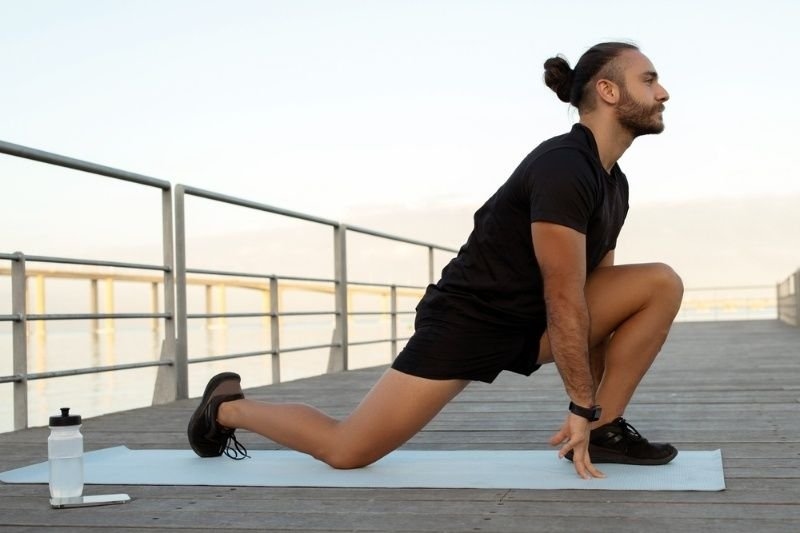
Hip flexors get short from sitting and tighter after leg workouts. Stretching them makes walking, running, and squatting feel smoother.
Kneel, put one foot forward, and gently lean until you feel a stretch at the front of your rear hip. Keep your torso upright; hold for 30 seconds—then switch.
3. Standing Quad Stretch
Quads do a ton of work during squats and lunges. Stretching them eases tightness and keeps your knees moving well.
Stand near a wall if you need balance, grab your ankle, and pull your foot toward your butt. Knees together—hold for 20–30 seconds per side.
4. Seated Figure-4 Glute Stretch
This one’s for your glutes and piriformis—often tight after lower body training or sitting too long.
Sit in a chair, cross one ankle over the opposite knee, and lean forward gently. Hold for 30 seconds each side.
5. Child’s Pose
Helps your lower back, hips, and shoulders relax after any workout. Slows your breathing, which calms the body.
Kneel, sit back on your heels, reach your arms forward, and lower your chest. Hold for 30–60 seconds. Breathe deeply.
6. Doorway Chest Stretch
Perfect for the chest and shoulders—especially if you do lots of push-ups or bench presses. It improves posture and counteracts desk slouch.
Press your forearms against a doorway or wall and step forward until you feel a gentle stretch in your chest. Hold 20–30 seconds.
7. Cross-Body Shoulder Stretch
Quick way to relieve tension in shoulders and upper back after pressing or pulling exercises.
Pull one arm across your chest; use the other hand to gently bring it closer. Keep the shoulder relaxed and hold for 20–30 seconds on each side.
A Simple 5-Minute Post-Workout Stretch Routine
Want something simple? Try this after your workout:
| Stretch | Recommended Duration |
| Standing Hamstring Stretch | 30 Seconds Each Side |
| Standing Quad Stretch | 30 Seconds Each Side |
| Kneeling Hip Flexor Stretch | 30 Seconds Each Side |
| Seated Figure-4 Glute Stretch | 30 Seconds Each Side |
| Child’s Pose | 60 Seconds |
| Doorway Chest Stretch | 30 Seconds |
| Cross-Body Shoulder Stretch | 30 Seconds Each Side |
This routine fits well after strength training, cardio, or general workouts. It’s beginner-friendly, but anyone can use it.
How to Stretch After Exercising Safely?
Make sure your heart rate’s come down before starting.
- Don’t force yourself into pain—it’s not worth it.
- No bouncing or jerky moves.
- Keep breathing slow and steady.
- Stretch both sides evenly.
A little pulling is normal. Sharp pain? Stop right away.
Must Try: Heavy Bag Workout Routine for Strength, Speed, and Cardio
Common Stretching Mistakes
Here are the common stretching mistakes:
Stretching Cold Muscles
Yeah, even after you’re done, sometimes people just jump straight into deep stretches. Walk around for a minute or two first—it makes stretches feel better.
Holding Your Breath
If you hold your breath, your muscles get tenser. Breathe slow and deep, and the stretch will come easier.
Rushing
Don’t zip through the routine. If you don’t hold stretches long enough, you’re not getting much from them. Three to five minutes of focused stretching beats lots of quick ones.
Conclusion
The best post-workout stretches are the ones you actually do every time. Concentrate on the muscle groups you’ve worked, stick with 20–30 seconds for each stretch, and keep it slow and controlled.
Combining hamstring, quad, hip flexor, glute, chest, and shoulder stretches makes a huge difference. You’ll notice more flexibility, less tightness, and you'll feel better between sessions. Whether you’re just starting or a regular, making stretching part of your routine is a smart choice for long-term comfort and movement.
Take a few minutes after your workout to stretch—you’ll thank yourself later. And if you want more fitness recovery tips, check out Fists.com’s resource hub.
FAQ
Are Post-Workout Stretches Better Than Foam Rolling?
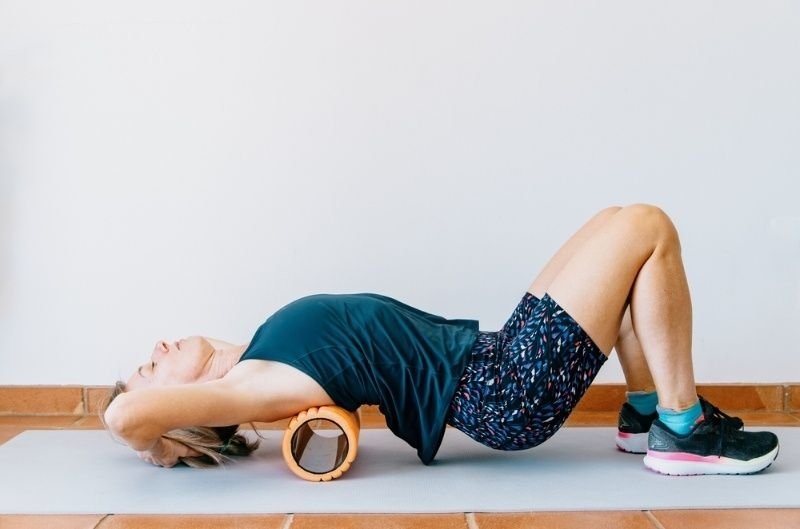
They’re different tools. Stretching is for flexibility and lengthening of muscles, whereas foam rolling is for the stiff tissue and trigger points. I think both are best: foam roll your tight bits, then stretch them out.
Can I do Post-Workout Stretches Every Day?
Yes, you can definitely perform post-workout stretches every day. Gentle stretches are safe daily—even for rest days. Over time, daily stretching will help you move better and stand taller. Just keep everything light, don’t force it, and avoid painful positions.
Should I Stretch After Cardio or Strength Training?
Ideally, you should continue with both cardio and strength training. After cardio, focus on calves, hamstrings, and hip flexors. After strength, target the muscles you just trained—like chest after push exercises or quads after leg day.